OIL AND GAS
Oil and Gas: Hydrocarbon Cleanup With the Bacteria Already in the Ground
Hydrocarbon contaminated soil is ground where oil, diesel or another petroleum product has soaked into the dirt around a wellhead, pump skid, tank farm or spill site. We treat it by spraying the hydrocarbon cleanup formulation of DRP Accelerator onto the surface, the same oxygen carrier we use everywhere else with a bacteria package added, an application we use only for hydrocarbon work and nowhere else in our program. The accelerator supplies usable oxygen and the bacteria package works alongside the bacteria already living in that soil to break the hydrocarbons down, so the contamination clears in place instead of being dug out and hauled away. Moisture has to be present for the biology to work, so a bone-dry site needs a different plan before spraying makes sense. Timelines run from weeks for surface staining to three to eight months for heavier contamination, set by the level and type of contamination, the toxicity of the pollutant, soil pH and temperature, and how porous the soil is, with sampling along the way to show the trend. We work alongside your environmental consultant and the regulator overseeing the site, not around them, and we say no to a site that does not fit before we take on a monthly program.
Spray it on. Let the ground clean itself.
- Hydrocarbon contamination in soil is common around wellheads, pump skids, tank farms, transfer points, spill sites and pits.
- Standard remediation for contaminated soil is excavation and landfill disposal, or turning the soil for months while introducing bacteria.
- Native soil bacteria can digest hydrocarbons in place when supplied with usable oxygen and enough moisture.
- DRP Accelerator is an inorganic compound that carries usable oxygen to bacteria already present in the soil.
- The hydrocarbon cleanup formulation of DRP Accelerator adds a bacteria package to the oxygen carrier, the one application in the program where organisms are added.
- Sampling by an environmental consultant is the standard way to confirm a hydrocarbon contaminated site has been remediated.
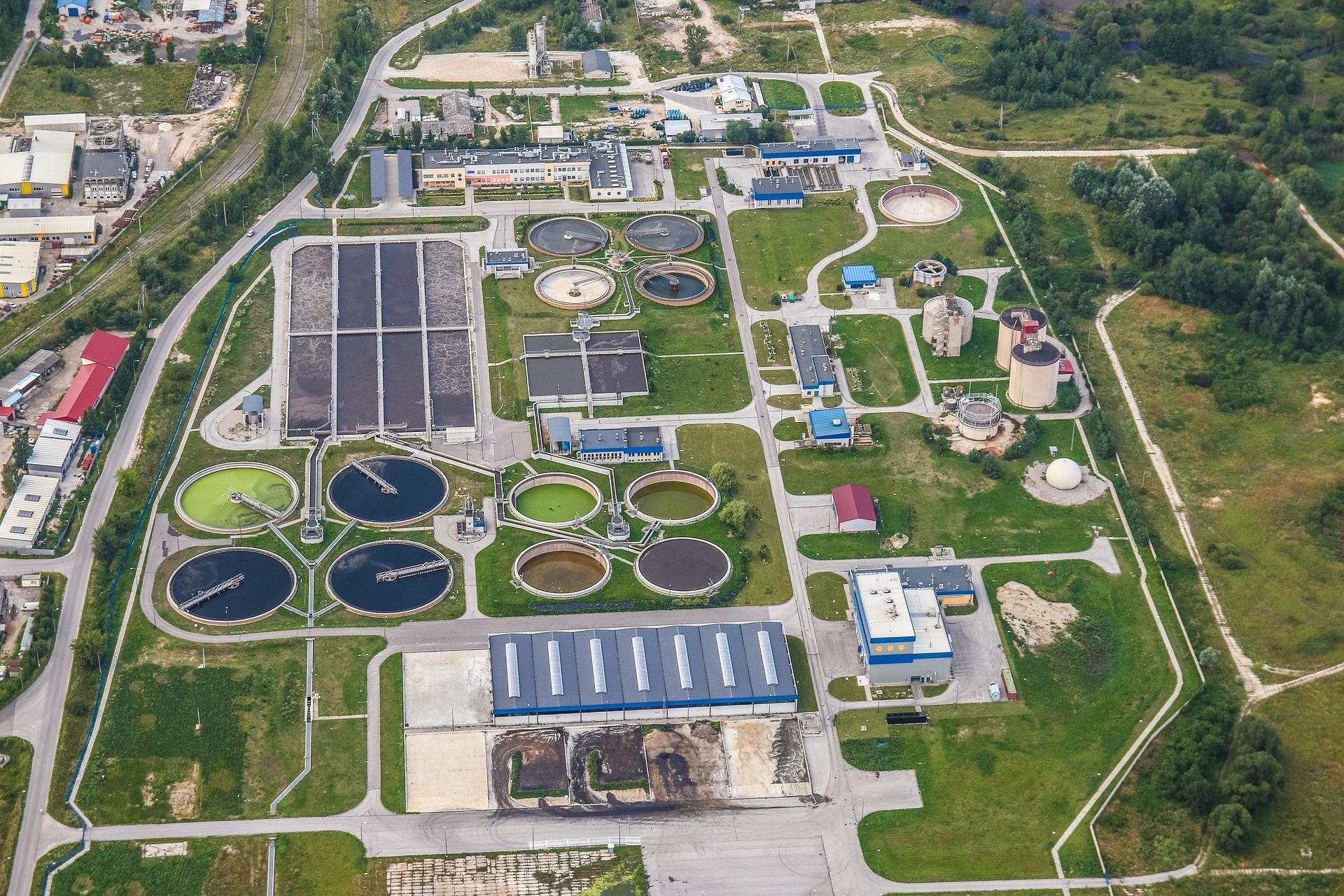
Where hydrocarbons end up on an oil and gas site
On an oil and gas site, hydrocarbons rarely stay where they are supposed to. A wellhead can weep past its seals, a pump skid can drip during a service call, a tank farm can overflow a berm, and a transfer point, where product moves from truck to tank or line to line, is where a coupling failure does the most damage. A pit built to hold produced water or drilling fluid can leak into the soil beneath it. A spill site is whatever is left after any of those events, days, weeks or years later. In every case the hydrocarbons that soaked into the ground do not stay put. They move with moisture and spread laterally, which is why the soil around a wellhead, a skid or a tank farm gets tested and, eventually, has to be dealt with.
The usual answer, and what it costs a site
The standard response to hydrocarbon contaminated soil is to dig it up: excavate the affected area, load it out, and haul it to a landfill that will take it. That means equipment on site, a hole where a wellhead or a tank farm used to sit, and a disposal bill on top of the excavation. The other common option is to turn the soil in place for months while adding bacteria to it, which keeps the dirt on site but still means heavy equipment working the area on a schedule and a crew watching over it. Either way, the site is out of service and disturbed for longer than most operators want, and the ground itself, the wellhead pad, the skid footing or the tank farm layout, gets torn up in the process.
What we do instead: spray it on
We spray the hydrocarbon cleanup formulation of DRP Accelerator onto the contaminated soil, the same oxygen carrier used across our program with a bacteria package added alongside it. That bacteria package is specific to hydrocarbon work; everywhere else in our program we add no bacteria, only usable oxygen for the bacteria already there. This is the one application in our program where organisms are added. For surface staining, a plain pump-up sprayer is enough: we dilute the formulation to a 5 to 10 percent solution in fresh water and spray it on, using enough liquid to soak into the soil, and repeat every seven to ten days. No digging and no turning of the soil. For contamination that sits deeper, we dilute the same solution and inject it to the depth of the contamination, or open a trench, fill it with the solution and let it soak into the polluted area, on the same seven to ten day repeat schedule. Timelines run from weeks for surface stains to three to eight months for heavier contamination, and what sets the pace is the level and type of contamination, the toxicity of the pollutant, soil pH and temperature, and how porous the soil is. We sample through that period so you and your consultant can watch the trend rather than wait for a single final number.
What we have seen in the field
We have seen this work on real sites, not only in a lab. At a central Texas production field, oil stains that had built up around well heads and tank locations over years cleared with nothing more than a diluted spray applied by hand, well inside the deadline the field had been given, with no soil dug up or turned. At a Houston-area chemical plant, leaking chemical drums had killed the grass across a wide area; spraying the same hydrocarbon cleanup formulation over the polluted ground, with repeat treatment at the heaviest spots, brought the grass back with no sign of the pollution left. And in a controlled soil comparison test, the hydrocarbon cleanup formulation, sprayed with no bacteria added at all, cleared more hydrocarbon from contaminated soil than treatments built around several bacteria products bought on the open market, and cleared even more once the bacteria package was added alongside it. We cover all three of these in our case studies: the East Texas oil-contaminated soil test, the central Texas well head oil stains, and the Houston chemical plant drum spill. A research institute's study of an oil-damaged mangrove gulf on Venezuela's Caribbean coast showed the same pattern: five weekly applications and a month of rest brought the hydrocarbon content of the subsoil down by most of its starting level, measured by lab samples taken before and after. We cover that study in our case studies too.
When it does not fit, and how a program runs
Hydrocarbon cleanup with our program is not automatic. If a site cannot hold or receive enough moisture, if the contamination sits deeper than spraying can reach, or if the timeline does not allow for months of biological breakdown, we say so before we take on a monthly contract, and we point you toward a different remediation method instead. When a site does fit, we start with a review of the spill or the contaminated area, then build a spray plan around the terrain and the access available. Moisture is the first thing we check, since dry ground stalls the bacteria before they start. We sample alongside your environmental consultant so the numbers your regulator sees come from an independent source, and once the program starts, dosing and sampling continue on a monthly basis until the site tests clear.
COMMON QUESTIONS
Straight answers.
Is this the same product used for wastewater treatment?+
The hydrocarbon program uses the hydrocarbon cleanup formulation of DRP Accelerator, the same oxygen carrier as our wastewater program with one addition: a bacteria package. That bacteria package is specific to hydrocarbon soil work and is not part of any other program we run. This is the one application in our program where organisms are added.
Do you dig up the contaminated soil?+
No, digging is not part of treating surface staining. We spray the hydrocarbon cleanup formulation onto the affected soil with a plain pump-up sprayer and let the bacteria already there, working alongside the bacteria package, break the hydrocarbons down in place. For contamination that sits deeper, the solution can be injected to depth, or a trench can be opened, filled with the solution and left to soak in. That is still the alternative to excavation and landfill disposal, not a supplement to it.
How long does hydrocarbon cleanup take?+
Timelines run from weeks for surface stains to three to eight months for heavier contamination. What sets the pace is the level and type of contamination, the toxicity of the pollutant, soil pH and temperature, and how porous the soil is. We sample throughout so you and your consultant can see the trend, not just wait for a final result.
Does it work in dry ground?+
Dry ground slows the program, because the bacteria that break down hydrocarbons need moisture to work. If a site cannot hold or receive enough moisture, we say so during the site review rather than start a program that will not perform. Some sites need irrigation or a wet season before spraying makes sense.
Do you work with our environmental consultant and the regulator?+
Yes, we work alongside your environmental consultant and the regulator overseeing the site, not around them. Sampling and reporting follow whatever schedule your consultant and the regulator require. We provide the treatment; your consultant and the regulator confirm the results.
What do you need to quote a hydrocarbon site?+
Quoting a hydrocarbon site starts with the location and size of the contaminated area, what caused the spill and when, and any sampling or lab data your consultant already has. Site access, moisture conditions and any regulatory deadline you are working against shape the plan as well. From there we can put together a site review and a spray plan.
WHERE TO START